How to Beat Altitude Sickness on Your Himalayan Trek |Raktim

Introduction
Imagine gasping for air at 15,000 feet on the Everest Base Camp trail, your head pounding like a drum. According to a 2023 study by the Himalayan Rescue Association, more than 50% of trekkers in the Himalayas experience some degree of altitude sickness each year. The good news is that proper preparation can reduce your risk by nearly 70%.
This guide explains how to stay safe and strong on your Himalayan trek, using real-world examples and science-backed advice.
Understand Altitude Sickness Basics
What It Is and Why It Hits Hard in the Himalayas
Altitude sickness, also called Acute Mountain Sickness (AMS), occurs when the body fails to adapt to lower oxygen levels at high altitude. The Himalayas, with rapid elevation gain and extreme heights, increase the risk significantly.
Common Symptoms to Watch Out For
- Headache, nausea, and dizziness affecting up to 50% of climbers above 8,000 feet
- Fatigue and disturbed sleep as early warning signs
A trekker on the Annapurna Circuit once ignored dizziness, assuming it was jet lag. Two days later, evacuation was necessary. Early awareness is critical.
Principal Causes and How Altitude Plays a Role
At elevations above 10,000 feet, oxygen levels drop by 20–30%, reducing blood oxygen saturation. Rapid ascent is the primary trigger.
High-altitude expert Dr. Peter Hackett explains that the body needs time to adjust and rushing greatly increases risk.
Who Faces Higher Risks
- New trekkers and individuals over 50, with rates up to 60%
- Smokers and people with heart or lung conditions, who face double the risk
Always review your health history and consult a doctor before trekking.
Get Your Body Ready Before the Trek
Acclimatization Plans That Work
- Spend 2–3 days between 8,000 and 10,000 feet before ascending higher
- Follow the rule: climb high, sleep low
- Add rest days to reduce illness risk
A Manaslu trekking group avoided nearly 80% of expected altitude sickness cases by following these steps.
Medical Checkups and Medications
- Complete a full medical checkup before the trek
- Consult your doctor about acetazolamide, which helps 75% of users
- Carry ibuprofen and prescribed oxygen for higher altitudes
Guide Tenzing Sherpa emphasizes that medication supports smart pacing but cannot replace it.
Pack Smart Essentials
- Hydration system to drink at least 4 liters daily
- Warm layered clothing to prevent cold-related symptoms
- Portable pulse oximeter to monitor oxygen levels
Manage Sickness During Your Trek
Hydration and Food Choices
Dehydration occurs faster at altitude, so drink regularly. High-carbohydrate foods such as rice, pasta, and potatoes provide lasting energy.
- Avoid fatty foods that are harder to digest
- Use electrolyte tablets, shown to reduce nausea by 40%
Set a Steady Pace and Rest Schedule
- Limit elevation gain to 300 feet per day above 10,000 feet
- Take hourly breaks with slow, deep breathing
A Langtang Valley hiker who ignored pacing developed severe pulmonary edema, highlighting the danger of rushing.
Monitor Your Health Daily
- Maintain a symptom journal morning and night
- Use the buddy system to check for confusion or fatigue
- Descend at least 1,000 feet if symptoms persist
Know When to Get Help Fast
Warning Signs of Severe Cases
Ignoring mild AMS can lead to serious conditions.
- HAPE: coughing with pink froth, chest tightness, or swelling
- HACE: confusion, loss of coordination, or slurred speech
Though affecting only 1–2% of trekkers, these conditions can be fatal without treatment.
Quick Response Steps
- Descend immediately, even 500 feet can help
- Administer oxygen if available
- Use prescribed dexamethasone for swelling
- Contact your guide or use a satellite phone
- Never descend alone
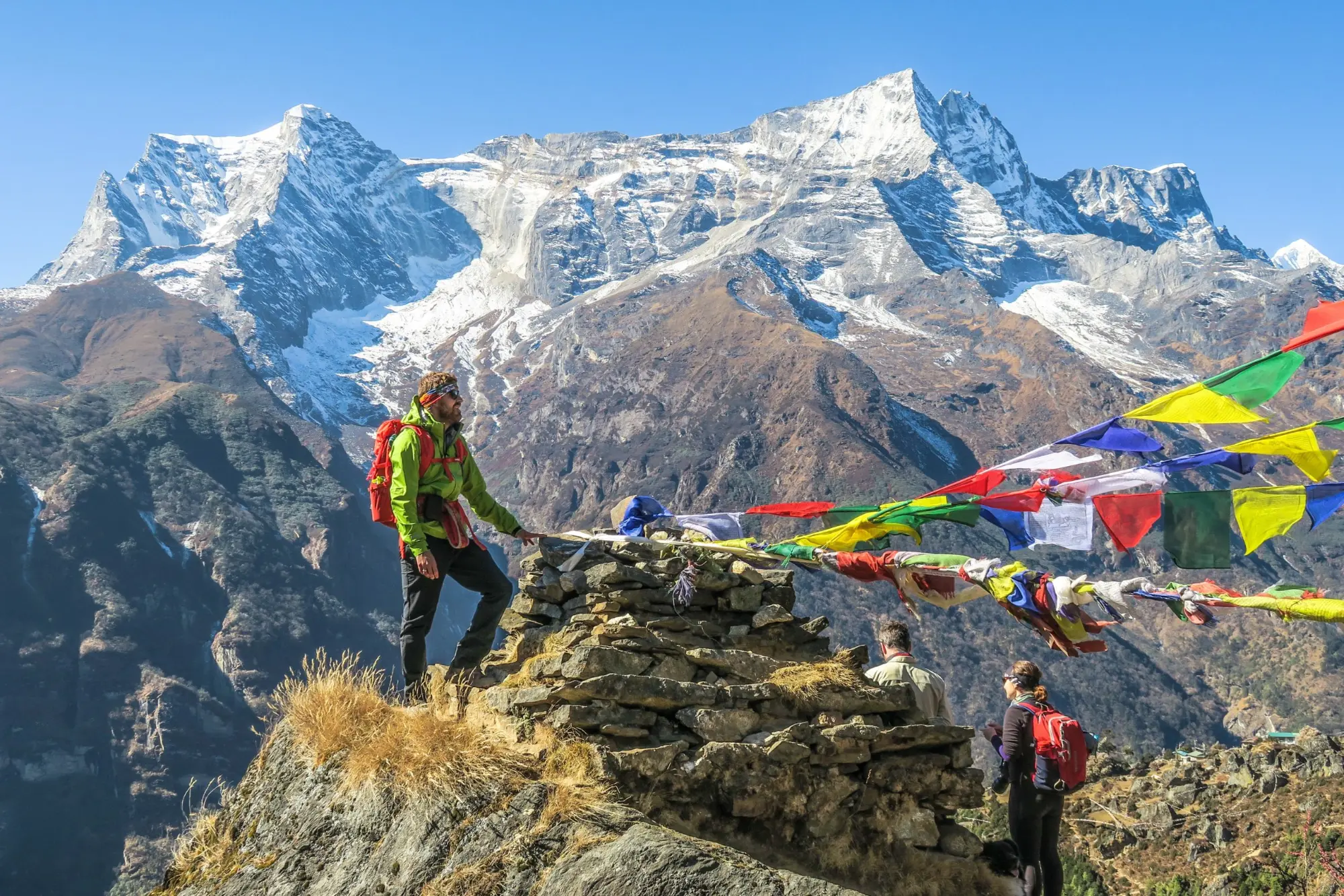
- Carry evacuation insuranceImage source-Mountain people


Resources in the Himalayas
- Major trails offer over 50 rescue posts with trained medics
- Helicopter evacuation is available in emergencies
- Offline first-aid apps can guide you during crises
Conclusion
Beating altitude sickness depends on preparation, patience, and awareness. Acclimatization, hydration, smart pacing, and early descent at warning signs are essential. With the right mindset and respect for your body, your Himalayan trek can be a rewarding and safe adventure.
.jpg)
Comments
Post a Comment